TENS vs EMS Muscle Stimulator: Which Technology is Best for Your Fitness Goals in 2026?
A practical UK buyer's guide comparing TENS pain relief units and EMS muscle stimulators — covering how each works, who they suit, and which delivers real results for home fitness.
What's the Actual Difference Between TENS and EMS?
TENS blocks pain signals. EMS contracts muscles. That's the fundamental split, and it's where most of the confusion starts for UK buyers shopping for electrical stimulation devices in 2026.
I've lost count of how many times I've seen people on forums asking about a TENS vs EMS muscle stimulator without realising they serve completely different purposes. Living in East Belfast, I spend a fair bit of time at my desk — council admin work isn't exactly physically demanding — so when I started looking into muscle stimulation for my home setup, I had to untangle this myself.
TENS stands for Transcutaneous Electrical Nerve Stimulation. It targets sensory nerves. EMS stands for Electrical Muscle Stimulation, and it targets motor nerves to cause actual muscle contractions. Same concept (electrical impulses through pads on your skin), wildly different outcomes.
What caught me off guard: some devices do both. But the frequencies, pulse widths, and intensities differ significantly between the two modes. A device optimised for one won't necessarily perform well at the other.
How TENS Works for Pain Management
TENS units send low-voltage electrical pulses (typically 2–150 Hz) through electrode pads placed near the pain site. These pulses interrupt pain signals travelling to the brain — a principle known as the gate control theory of pain.
Who Benefits from TENS?
The NHS recommends TENS primarily for chronic pain conditions including arthritis, back pain, and period pain. It's not a fitness tool. Full stop.
If you're recovering from a sports injury and need pain relief while healing, TENS has its place. But it won't build muscle, won't tone your abs, and won't contribute to strength gains. I made this mistake early on — bought a cheap TENS unit thinking it'd help with core work. It didn't. The sensation was more of a tingling buzz than any muscular engagement.
Frequency range: 2–150 Hz | Pulse width: 50–250 microseconds | Primary purpose: Pain gate mechanism | Muscle contraction: Minimal to none
Limitations for Fitness Use
TENS operates at intensities too low to generate meaningful muscle contractions. The current reaches sensory nerve fibres but doesn't penetrate deep enough to activate motor neurons effectively. So if you're after an abs stimulator or abdominal toning belt for fitness, TENS isn't your answer.
How EMS Muscle Stimulators Work for Fitness
EMS devices generate stronger electrical impulses (typically 20–120 Hz with higher current) that bypass sensory nerves and directly stimulate motor neurons, causing involuntary muscle contractions identical in mechanism to voluntary ones.
This is where things get interesting for fitness. An EMS muscle stimulator can recruit up to 90% of muscle fibres in the targeted area — compared to roughly 40–60% during standard voluntary exercise. That's a significant difference., a favourite among Britain’s tradespeople
The Science Behind EMS Abs Trainers
When you use an EMS abs trainer, the device sends pulses through your rectus abdominis, obliques, and transverse abdominis simultaneously. Each contraction cycle typically lasts 4–6 seconds with 8–12 seconds rest between. A standard 20-minute session delivers approximately 150–200 contractions.
Compare that to a typical abs workout where you might manage 100–150 crunches in the same timeframe. The EMS approach also eliminates spinal loading — brilliant for anyone with lower back issues.
Frequency range: 20–120 Hz | Pulse width: 200–400 microseconds | Primary purpose: Muscle activation and strengthening | Contraction depth: Deep motor neuron engagement
EMS Muscle Stimulator: How to Use Effectively
Placement matters enormously. For abdominal work, pads should sit directly over the muscle belly — not on bone, not over the spine. Start at the lowest intensity and increase gradually until you see visible muscle contraction. No contraction visible? You're not getting results.
I use mine 4–5 times per week, usually while catching up on paperwork at home. My terrace on Madrid Street isn't exactly spacious enough for a full gym setup, so the compact form factor of a muscle stimulator belt is genuinely practical. Twenty minutes while reviewing spreadsheets — sorted.
TENS vs EMS Muscle Stimulator: The Full Comparison
This table breaks down every meaningful difference between the two technologies. I've included the specs that actually matter for a buying decision.
| Feature | TENS | EMS |
|---|---|---|
| Primary Purpose | Pain relief | Muscle strengthening and toning |
| Target | Sensory nerves | Motor nerves / muscle fibres |
| Frequency Range | 2–150 Hz | 20–120 Hz |
| Pulse Width | 50–250 μs | 200–400 μs |
| Muscle Contraction | Minimal / none | Strong, visible contractions |
| Fitness Application | Post-workout pain relief only | Core toning, muscle activation, strength |
| Typical Session | 20–60 minutes | 15–30 minutes |
| Builds Muscle? | No | Yes — with consistent use |
| NHS Recommended For | Chronic pain conditions | Rehabilitation and muscle re-education |
| Typical UK Price Range | £15–£60 | £20–£200 |
| Best For Home Gym? | No | Yes |
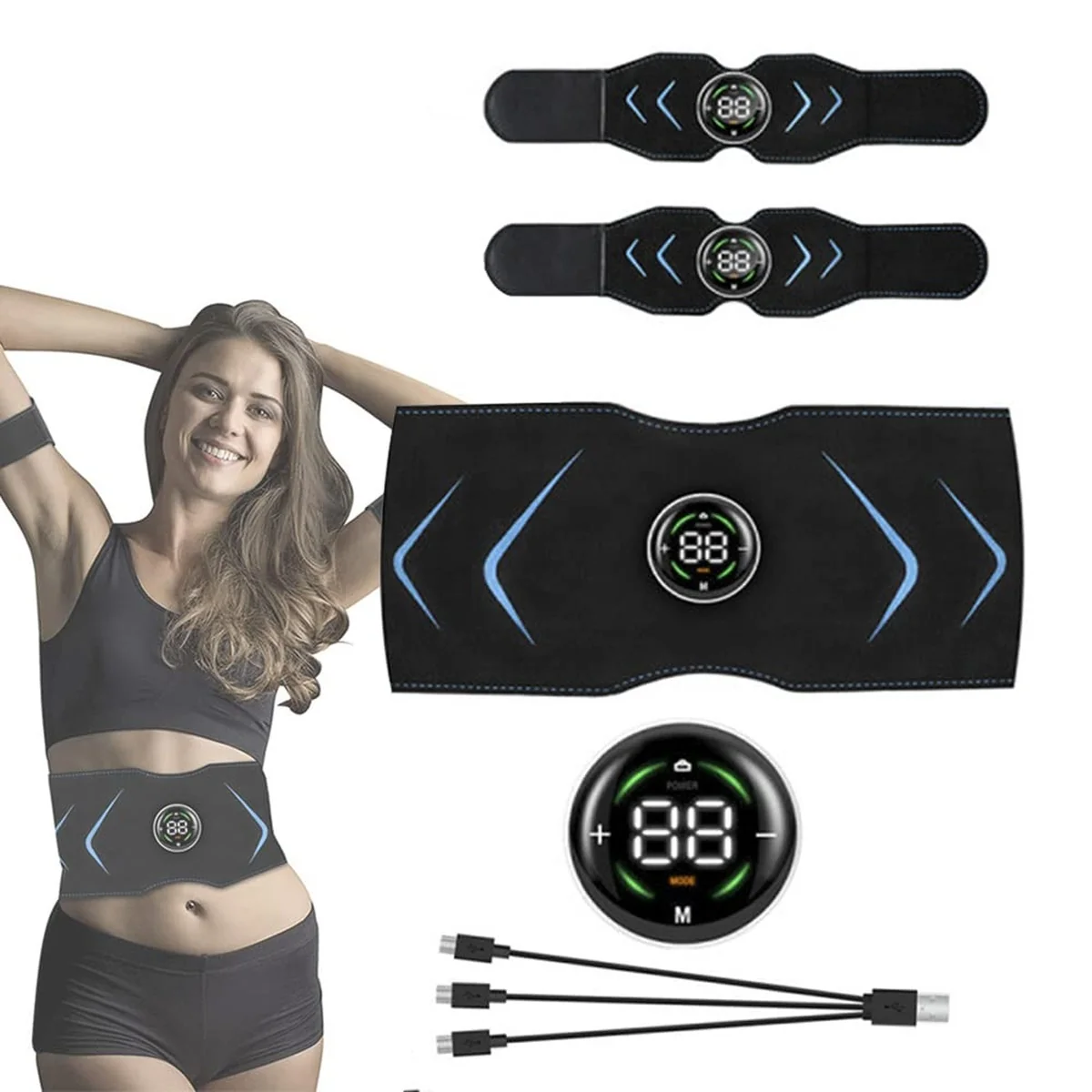
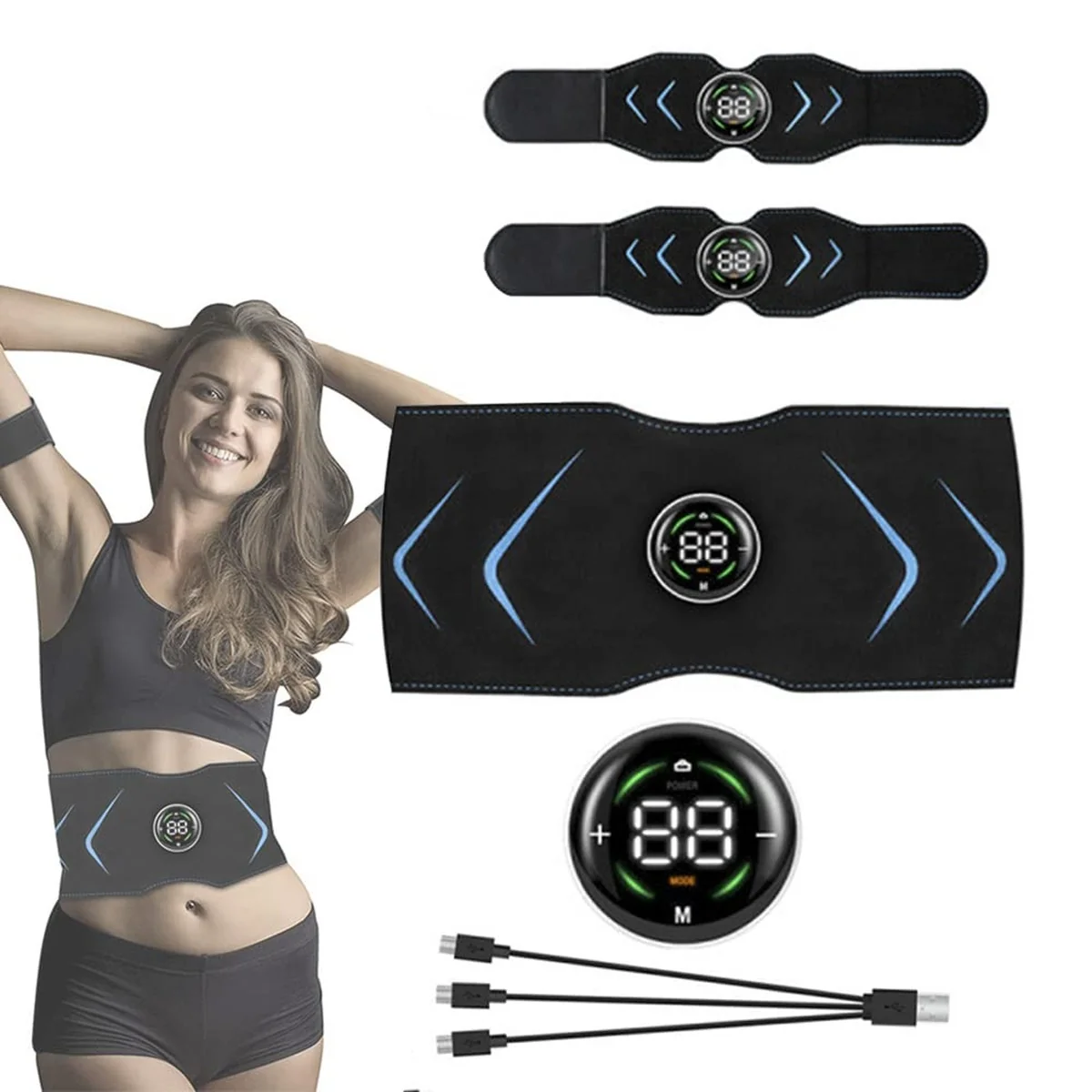
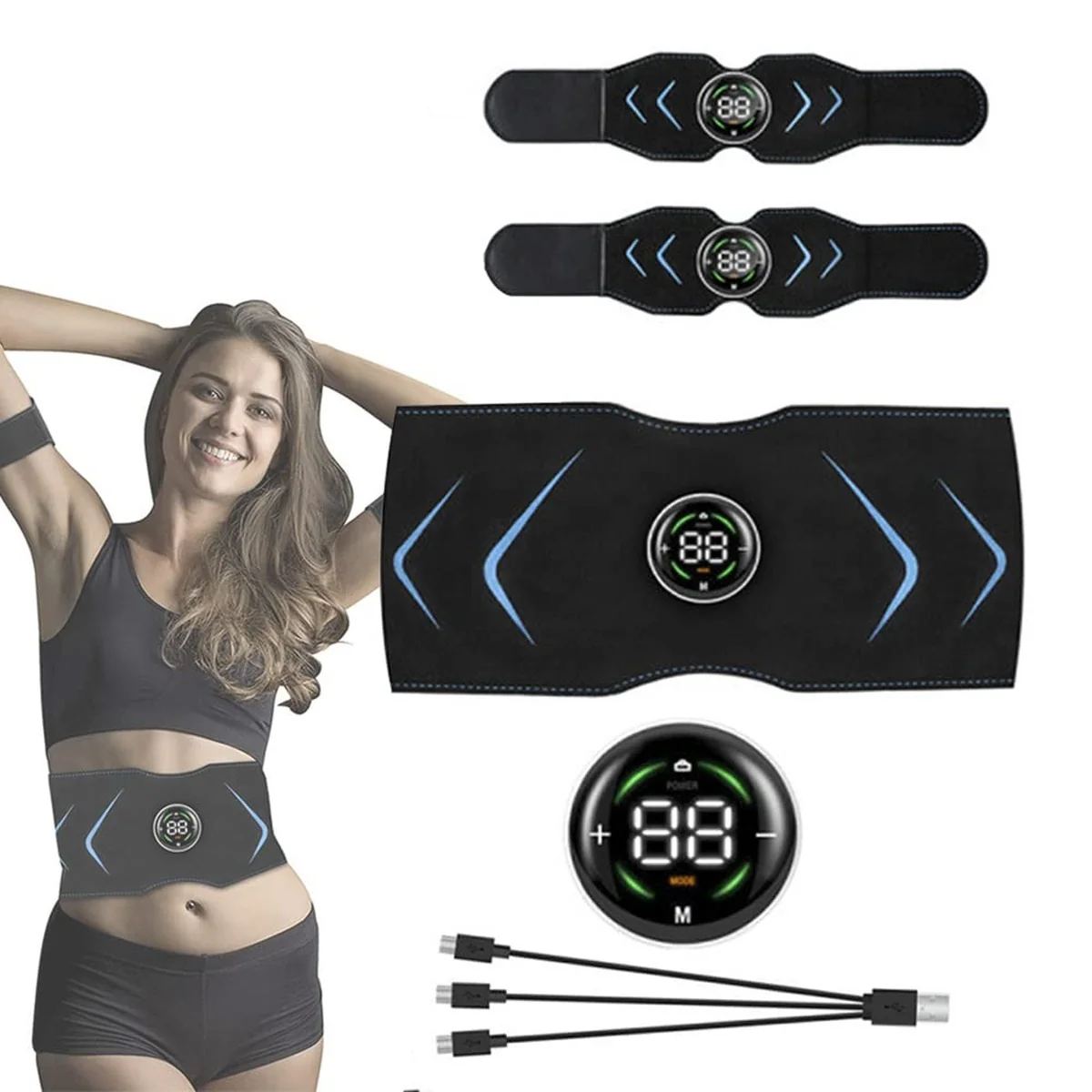
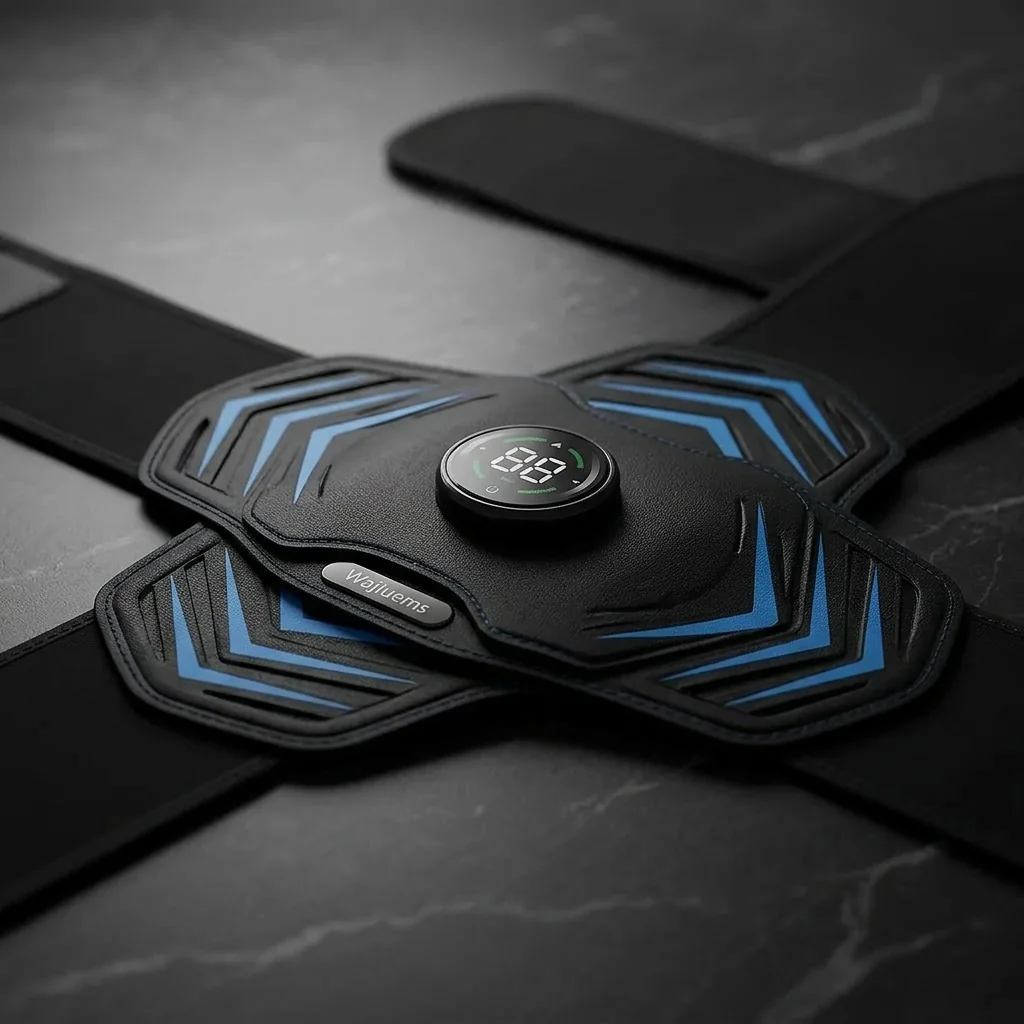
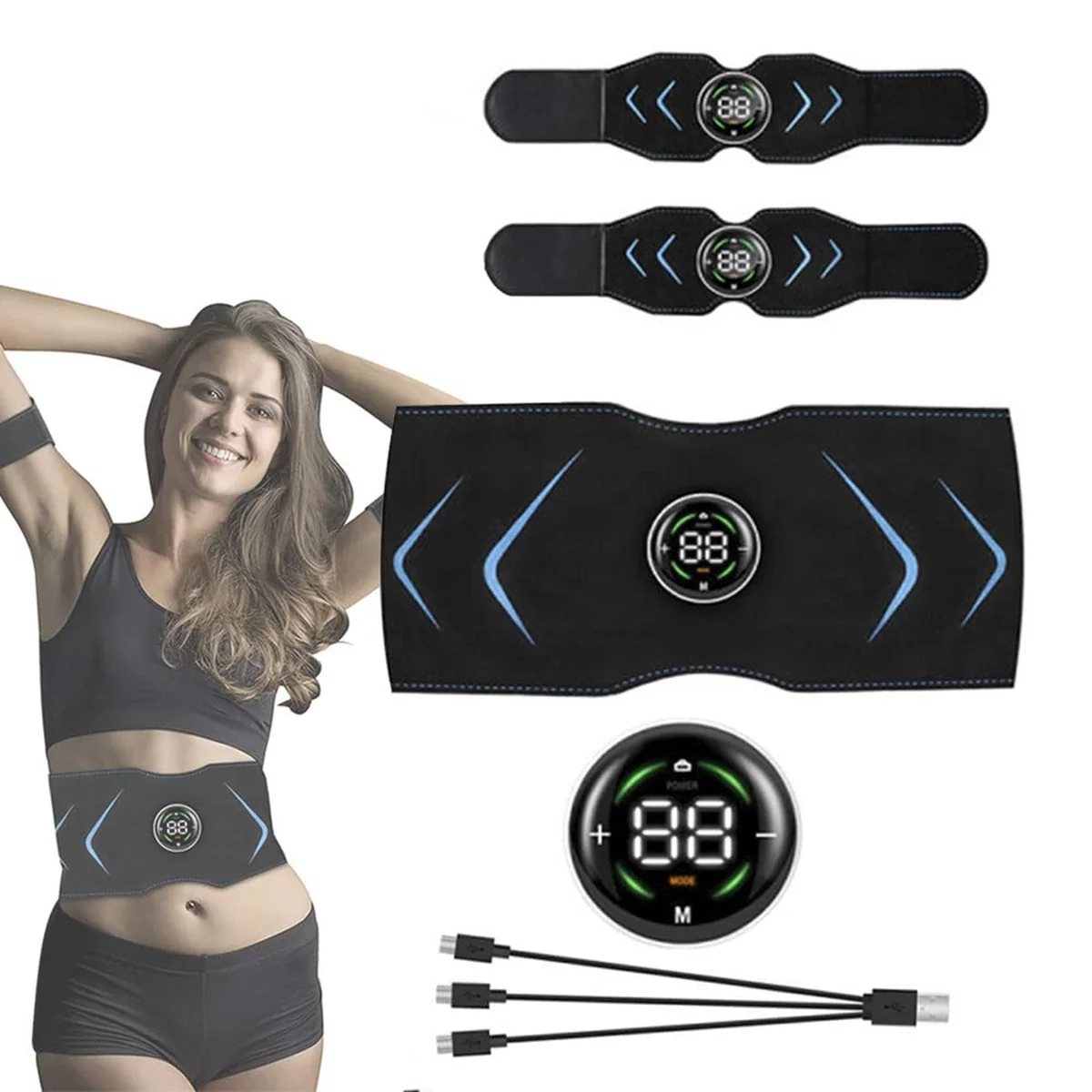
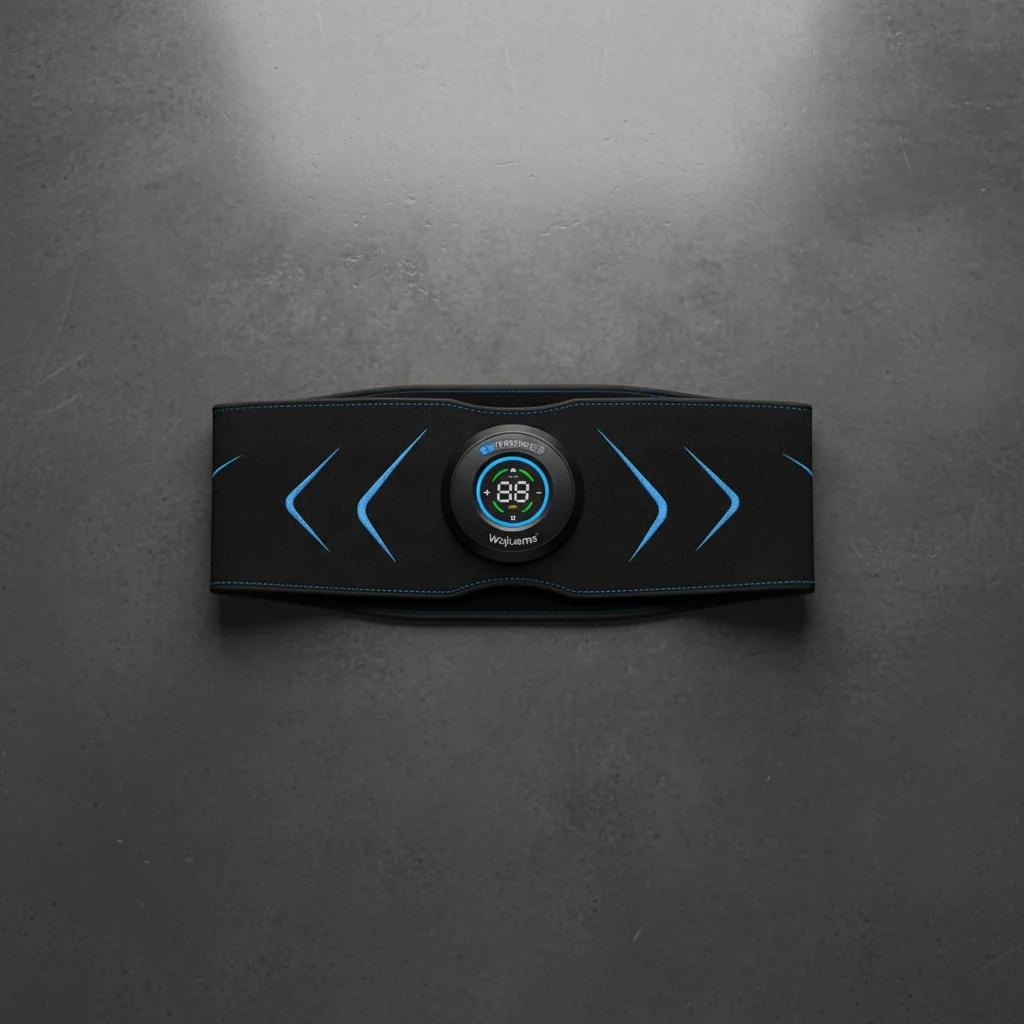
The price overlap can confuse people. A decent EMS muscle stimulator like the WAJIUEMS Fitness Belt at £49.83 sits right in the middle — affordable enough to try without commitment, but built with proper EMS frequencies for actual muscle engagement.
Matching Technology to Your Fitness Goals
Your goal determines your device. It's that straightforward.
Goal: Core Strength and Visible Abs
You need EMS. Specifically, an abs stimulator designed with multiple electrode zones covering the rectus abdominis and obliques. The best abs stimulator UK buyers can find in 2026 will offer at least 6 intensity levels and multiple programme modes targeting different contraction patterns.
The WAJIUEMS Fitness Belt (£49.83, free UK delivery) hits these marks. I've been using it since this spring and the difference in core engagement versus my old generic unit is noticeable — the contractions feel deeper and more uniform across the abdominal wall.
Goal: Post-Workout Recovery
This is where it gets nuanced. For muscle soreness and DOMS, low-frequency EMS (1–10 Hz) promotes blood flow and recovery. TENS can help with acute pain. Honestly? A dual-mode device covers both bases, but if I had to pick one, EMS gives you recovery AND training capability., meeting British quality expectations
Goal: Toning While Sedentary
An EMS toning belt or electric ab belt works during desk work, commuting, or watching telly. I won't pretend it replaces proper exercise — that'd be dishonest. But research published in the Journal of Sports Science & Medicine shows EMS combined with regular activity increases abdominal strength by 58% over 8 weeks versus exercise alone.
Goal: Chronic Pain Management
TENS. No question. If pain relief is your primary concern, don't buy an EMS device expecting it to help. The mechanisms are different. Speak to your GP first — the NHS provides TENS units on loan in some areas. (Worth a phone call before spending anything, frankly.)
Do Abs Stimulators Actually Work?
Yes — but with caveats that most marketing materials conveniently skip over.
EMS abs stimulators produce real, measurable muscle contractions. A 2019 study in the Journal of Strength and Conditioning Research found that 8 weeks of EMS training increased abdominal muscle thickness by 10.4% in previously untrained participants. That's genuine hypertrophy.
The honest bit: an ab stimulator won't burn significant calories or reduce body fat on its own. You can't spot-reduce fat. If there's a layer of subcutaneous fat over your abs, EMS will strengthen the muscle underneath without making it visible. You still need a caloric deficit for that.
✓ Increase muscle thickness (10–15% over 8 weeks) | ✓ Improve core stability | ✓ Supplement existing training | ✓ Activate muscles during sedentary periods
What They Can't Do:
✗ Burn significant fat | ✗ Replace cardiovascular exercise | ✗ Create a six-pack alone | ✗ Work through thick clothing
So do abs stimulators work? For muscle activation and strengthening, absolutely. For the "get a six-pack without trying" promise? Not quite. They're brilliant as part of a broader fitness routine — not a replacement for one.
The best abs stimulators for women and men in 2026 use gel-free conductive technology and offer enough intensity range to challenge even trained individuals. Cheap units that max out at barely-perceptible tingling are essentially expensive placebos.
UK Buying Guide: What to Look For This Spring 2026
The UK market is flooded with electrical stimulation devices ranging from £8 knockoffs to £300+ professional units. Here's what actually matters when choosing.
Safety Certifications
Any EMS or TENS device sold in the UK must comply with the Medical Devices Regulations 2002 (as amended). Look for UKCA marking — it replaced CE marking for the GB market. The MHRA (via GOV.UK) oversees compliance. Avoid devices without clear regulatory markings.
Frequency and Intensity Range
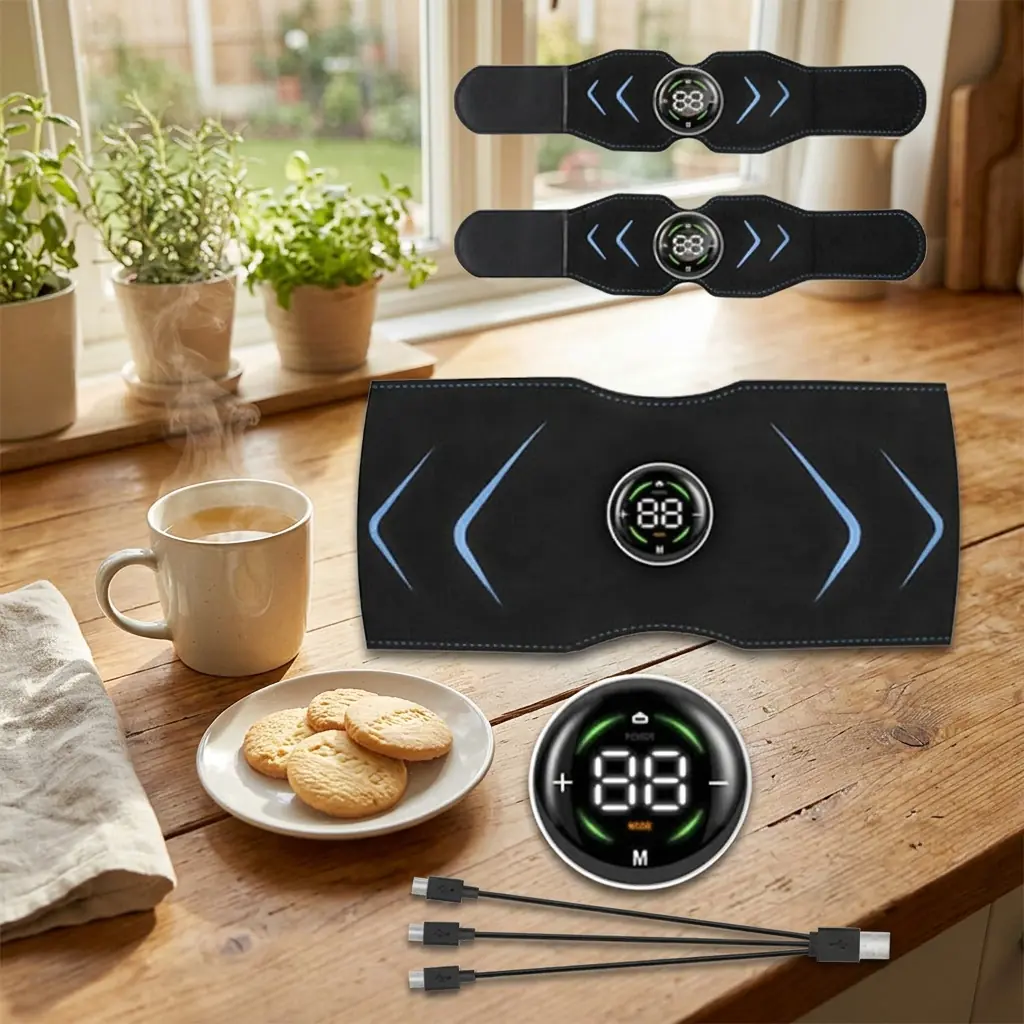
For effective EMS muscle stimulation, you want devices offering 20–120 Hz with adjustable intensity across at least 10 levels. Anything less limits progression. The WAJIUEMS Fitness Belt provides 6 modes and 10 intensity levels at £49.83 — decent spec for the price point., popular across England
Electrode Quality and Design
Gel pads degrade. They lose conductivity after 20–30 uses and need replacing (typically £8–£15 per set). Newer designs using hydrogel or gel-free conductive materials last longer. An abdominal toning belt with integrated electrodes eliminates pad placement guesswork entirely.
Programme Variety
A single-programme device gets boring fast — and once boredom sets in, the thing ends up in a drawer. The best EMS muscle stimulator options offer varied contraction patterns — continuous, interval, ramping, and combination modes. This prevents muscle adaptation and keeps sessions effective over months of use.
Build Quality and Comfort
If it's uncomfortable, you won't use it. Simple as that. A muscle stimulator belt should sit flush against skin without bunching, sliding, or creating hot spots. Breathable materials matter — especially during longer 25–30 minute sessions.
Is the extra spend on a reputable brand worth it? In my experience, yes. I went through two budget units (both under £15) before settling on the WAJIUEMS belt. The cheaper ones had inconsistent pulse delivery and flimsy straps that stretched within weeks. The £49.83 price point seems to be where quality becomes consistent.
Frequently Asked Questions
What's the main difference between TENS and EMS for fitness?
TENS targets sensory nerves to block pain signals and doesn't cause meaningful muscle contraction. EMS targets motor nerves to produce strong muscle contractions suitable for strengthening and toning. For fitness goals like core training, only EMS technology delivers results — TENS is strictly a pain management tool with no muscle-building capability.
Do abs stimulators work for building muscle?
Yes, EMS abs stimulators produce measurable muscle growth. Research shows 10.4% increase in abdominal muscle thickness over 8 weeks of consistent use. They won't burn fat or create visible abs alone, but they genuinely strengthen core muscles. Best results come from combining EMS with regular exercise and proper nutrition.
How often should I use an EMS muscle stimulator?
Most manufacturers recommend 20–30 minute sessions, 4–5 times per week for best results. Allow at least 24 hours between sessions targeting the same muscle group. Beginners should start with 3 sessions weekly at lower intensities, increasing frequency and intensity over 2–3 weeks as muscles adapt to electrical stimulation.
Is the WAJIUEMS Fitness Belt suitable for beginners?
Yes. At £49.83 with 10 intensity levels and 6 programme modes, it's designed for progressive use from beginner to intermediate. Start at levels 1–3 during your first week, then increase as contractions feel comfortable. Free UK delivery and the belt design eliminates electrode placement confusion that trips up new users.
Can I use an EMS abs trainer while working at my desk?
Absolutely — that's one of the main advantages. EMS toning belts work during sedentary activities like desk work, commuting, or watching television. The device must sit directly against skin under clothing. Higher intensities may cause visible movement, so start at moderate levels (4–6) for discreet office use during your working day.
Are EMS devices safe to use at home in the UK?
Home EMS devices sold legally in the UK must carry UKCA marking and comply with Medical Devices Regulations 2002. They're considered safe for healthy adults when used as directed. Avoid use if you have a pacemaker, epilepsy, or are pregnant. The NHS advises consulting your GP if you have any underlying health conditions before starting electrical stimulation.
Key Takeaways
- TENS is for pain, EMS is for muscle. If your goal is fitness, core strength, or toning, you need an EMS device — not TENS.
- EMS abs stimulators genuinely work — studies show 10.4% muscle thickness increase over 8 weeks — but they won't eliminate body fat on their own.
- The TENS vs EMS muscle stimulator debate comes down to your primary goal: pain management (TENS) or muscle activation and strengthening (EMS).
- For UK buyers in 2026, look for UKCA-marked devices with at least 10 intensity levels and multiple programme modes. The WAJIUEMS Fitness Belt at £49.83 offers strong value with free delivery.
- Consistency beats intensity. Four to five 20-minute EMS sessions weekly delivers better results than occasional high-intensity use.
- Combine EMS with exercise for best results. An electric ab belt supplements your routine — it doesn't replace cardiovascular fitness or dietary discipline.
- Check safety certifications before purchasing. Unregulated devices from marketplace sellers may lack proper frequency control and pose risks.
Ready to try WAJIUEMS?
Shop Now — £49.83